The Ultimate Guide to Artificial Grass Installation: Transform Your Lawn Today
Synthetic grass installation provides an effective option for residents wanting low-maintenance landscaping. The following content covers the benefits of synthetic turf, from year-round greenery to less maintenance. Additionally, it covers guidance on choosing the right variety of artificial turf and the key tools needed to complete the job. Understanding common pitfalls can save time and money. When diving into the installation journey, it is natural to consider what the full investment involves and how to ensure a flawless finished result.
The Benefits of Choosing Artificial Grass
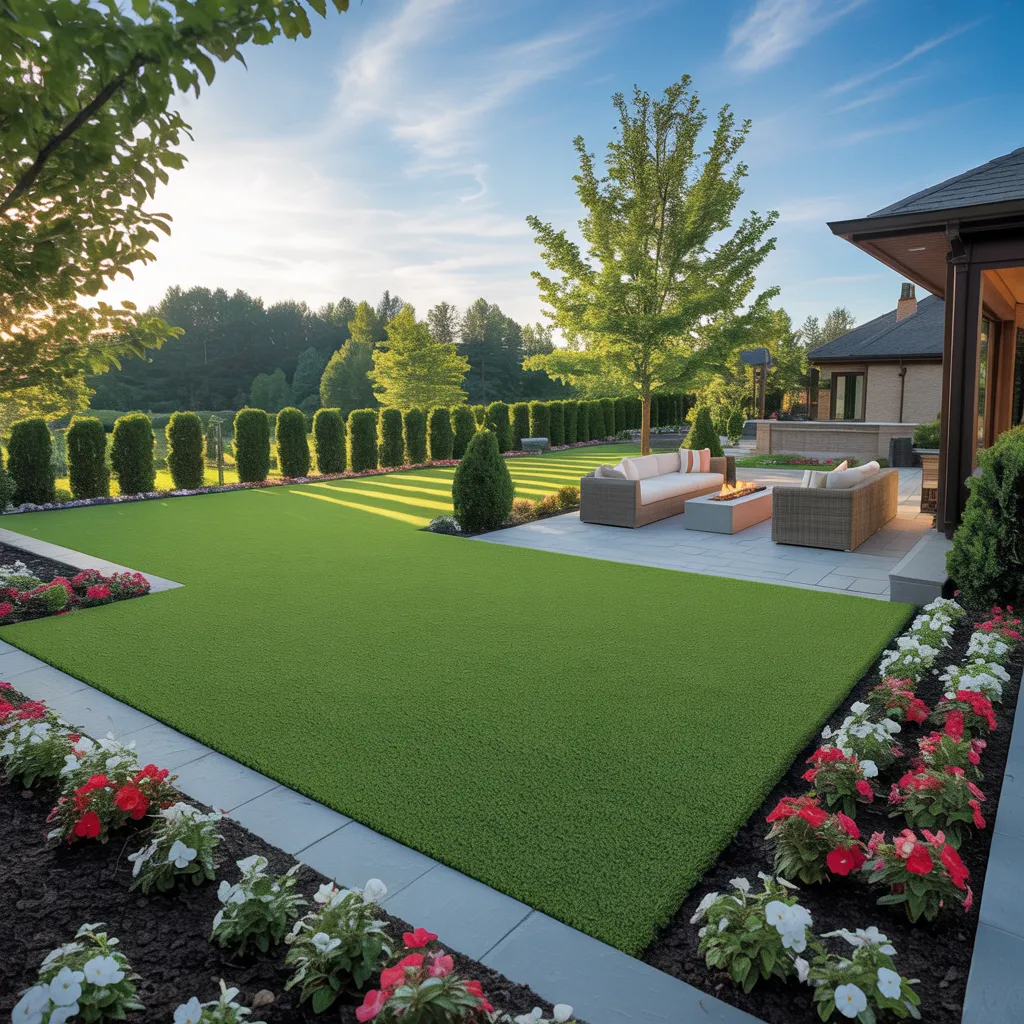
A growing number of homeowners are choosing artificial grass because of its many advantages. One of its standout qualities is its low upkeep demands; synthetic grass removes the necessity of mowing, watering, and fertilizing, preserving both your time and budget. Additionally, it maintains a rich green look throughout every season, no matter the weather, delivering a consistently stunning yard.
One other important benefit is its durability. Top-grade artificial lawn can endure substantial foot traffic and is resistant to wear and tear, making it ideal for households with children and pets. In addition, it supports eco-friendly living by minimizing water usage and eliminating the reliance on chemical treatments and pesticides.
Furthermore, synthetic turf provides versatility in style, empowering householders to evidence develop functional spaces such as activity areas, sporting areas, or aesthetic garden spaces. Such versatility makes it an appealing solution for diverse landscaping needs, improving the overall look of residential properties.
Selecting the Best Type of Artificial Grass for Your Requirements
How do you establish the best type of artificial grass for specific needs? To begin, it is necessary to evaluate the desired purpose. Private garden areas may call for a softer and more realistic aesthetic, while business areas might emphasize resilience and ease of care. Next, consider the grass height and thickness. Higher density turf offers a lush look but may need greater care, while lower-profile options are easier to manage.
In addition, the texture and color influence the overall appearance. Choosing a tone that replicates natural grass improves a natural look, while varying textures can increase the ability to withstand regular use. Climate-related considerations such as weather conditions and sunlight also play a role; UV-protective choices are a wise choice in regions with strong sun exposure.
Finally budget constraints should be considered, as prices vary greatly among various options. By taking all of these elements into account, one can select the best fitting synthetic turf solution tailored to their specific requirements.
Important Tools and Supplies for Installation
In the installation of artificial grass, possessing the correct tools and materials is essential for attaining a professional result. The following section details the necessary tools needed, provides a checklist of necessary materials, and highlights the importance of safety gear. Thorough preparation secures a more efficient installation process and improves the overall outcome.
Necessary Tools Breakdown
Before starting a synthetic turf installation project, ensuring you have the proper tools and materials ready is crucial for achieving great results. Key tools include a sharp utility knife for precise cutting, a measuring tape for precise measurements, and a leveling rake for smoothing the surface. A spade is necessary for excavating the current grass and earth, while a plate compactor guarantees a firm base. Moreover, a seam tape and adhesive are critical for joining pieces of turf seamlessly. A rigid straight edge can ensure neat and clean edges while installing. Lastly, a broom or brush is perfect for lifting and fluffing the turf fibers once installed. Arming yourself with these essential tools will make the installation smoother and elevate the finished product.
Required Materials Checklist
An effective fake grass installation requires a comprehensive materials checklist to ensure all essential supplies are readily available. Important supplies include top-grade artificial turf, which should complement the preferred look and longevity. A durable underlayment is necessary for cushioning and drainage, while infill material, such as silica sand or crumb rubber, adds weight and stability. Adhesives and connecting tape are needed for fastening seams, maintaining a smooth finish. Garden fabric controls weed growth under the turf, enhancing longevity. Moreover, border restraints, like rigid border materials, support the lawn's defined boundaries. Finally, a effective drainage system is crucial to prevent water accumulation. Preparing these materials in advance simplifies the setup process, supporting an effective upgrade of the outdoor space.
Essential Safety Gear
Prior to starting an artificial grass installation project, having the right safety gear is essential to guarantee a safe and effective process. Workers should begin with protective eyewear to shield against debris and sharp materials. Heavy-duty gloves are vital for safeguarding hands from scrapes and cuts when working with tools and turf materials. Reinforced boots deliver added foot safety, most importantly when transporting heavy materials. A protective helmet is recommended in areas where overhead dangers may exist. Additionally, knee pads can enhance comfort and safety when kneeling during installation. Ear guards could be essential when working with noise-producing power tools. By utilizing these critical safety items, workers can reduce hazards and stay focused on their work.
A Step-by-Step Guide for Installing Artificial Grass
Artificial grass installation consists of a sequence of precise, systematic steps that deliver a successful makeover of any exterior space. To begin, the designated area should be measured and outlined, ensuring accurate dimensions for the installation. Next, any existing grass or debris should be removed, after which digging is carried out to form a firm base. A layer of crushed stone or gravel is then spread to enhance drainage.
When the base preparation is complete, a geotextile membrane is placed to inhibit weed development. The fake lawn is spread out, trimmed to fit, and securely anchored using turf staples. Edges are bonded with turf tape or glue for a smooth finish. To complete the installation, filling material, such as crumb rubber or silica sand, is applied to stabilise the turf and improve its look. A thorough brushing finishes the installation, keeping the grass fibers erect, creating a dense, vibrant surface that is immediately usable.
Common Installation Pitfalls and How to Avoid Them
Numerous pitfalls can arise during the installation of artificial grass, which may undermine the overall finish. A frequent error involves poor area preparation, which can lead to poor drainage and uneven terrain. Carefully digging out the area and establishing a firm base are vital for durability. An additional typical problem concerns incorrectly estimating the required material quantity, causing gaps in coverage or excess material expenditure. To avoid this, accurately measure the installation area and account for seams and contours.
In addition, ignoring the need to anchor the edges can allow the grass to move or buckle as time passes. Employing the right adhesives and anchoring techniques is essential. As a final point, failing to brush or infill the grass properly can produce an unnatural finish and compromised lifespan. By taking steps to avoid these common errors, residents can accomplish a polished and visually stunning artificial lawn that transforms their outdoor environment.
What Should You Expect to Pay for Installation?
When evaluating synthetic turf installation, it is crucial to understand the accompanying expenses. This involves both the material expenses for the turf and necessary components, as well as installation costs for professional installation. A well-planned budget will help homeowners to reach informed conclusions about their outdoor landscaping investments.
Cost of Installation Materials
Artificial turf installation encompasses a range of material expenses that fluctuate significantly according to factors including material quality and project dimensions. The primary expense is the artificial turf itself, which typically costs between $2 and $8 per square foot, based on the material's longevity and visual appeal. Furthermore, infill materials, such as silica sand or rubber granules, generally range from $0.50 to $2 per square foot. Other essential supplies, including weed barriers, adhesive compounds, and seam tape, could increase costs by $1 to $3 per square foot. With larger installations, bulk pricing can be available, potentially lowering overall costs. Homeowners need to account for the cost of essential ground preparation materials, including crushed gravel or decomposed granite, further impacting the final budget.
Labor Expenses Overview
Labor expenses are a major factor in the overall cost of artificial turf installation. In most cases, these expenses fall from $5 to $15 per square foot, based on the scope of the project and the skill level of the installer. Factors influencing labor expenses include preparing the site, the dimensions of the space, and the type of artificial grass selected. When substantial grading or drainage measures are necessary, costs may increase. Furthermore, engaging experienced contractors can elevate expenses but can ensure superior results and a longer-lasting installation. Property owners are advised to gather several estimates to assess pricing structures and service options, to guarantee they hire a qualified professional within their budget. Having knowledge of these labor fees can be beneficial when planning a successful artificial grass installation project.
Frequently Asked Questions
How Long Will Artificial Grass Usually Last?
Artificial grass typically lasts between 15 to 25 years, based on factors including the quality of materials, upkeep, and surrounding conditions. Proper care can enhance its lifespan, making it a reliable option for various landscaping applications.
Is Synthetic Turf Able to Be Recycled?
Artificial grass can absolutely be recycled. Numerous manufacturers and recycling centers accept old turf, making it possible to repurpose the material for numerous uses, including playgrounds and landscaping, thus minimizing environmental impact while encouraging sustainability.
Is Artificial Turf Safe for Animals?
Artificial turf is commonly considered safe for pets, as it is non-toxic and does not contain harmful chemicals. However, pet owners should guarantee appropriate drainage and regular maintenance to avoid odors and ensure a hygienic environment for their animals.
Do You Need to Maintain Artificial Grass?
Artificial turf needs very little upkeep when compared with natural grass. Regular tasks include occasional brushing, rinsing to remove debris, and checking seams for wear. Overall, it provides a hassle-free option while maintaining a visually appealing lawn.
Can Artificial Grass Be Installed Over Existing Grass?
Indeed, artificial grass is able to be installed over existing grass, but it's essential to prepare the surface properly. This requires removing debris, leveling the ground, and guaranteeing proper drainage to minimize potential issues down the line.